How to Plan a Trip to Vietnam: A Step-by-Step Guide
Planning your first trip to Vietnam? Eight clear steps, from choosing the season and route to visas, domestic travel, money and what to pack.

In this article
Planning Vietnam, step by step
Step 1: Decide when to go
Step 2: Choose how long to stay
Step 3: Pick your regions and your pace
Step 4: Check your visa
Step 5: Book international flights
Step 6: Plan how to get around
Step 7: Money, connectivity and health
Step 8: Pack for more than one climate
Private tour or independent travel?
FAQ
Planning Vietnam, step by step
Vietnam is easy to love and surprisingly easy to travel, once you understand its geography and seasons. This guide walks you through every step, from the first idea to the day you fly.
Step 1: Decide when to go
Vietnam has three climates: a four-season north, a centre with autumn rains, and a tropical south with a dry season from December to April. For a north-to-south journey, March and April are usually the best all-round months. Read our full guide to the best time to visit Vietnam.
Step 2: Choose how long to stay
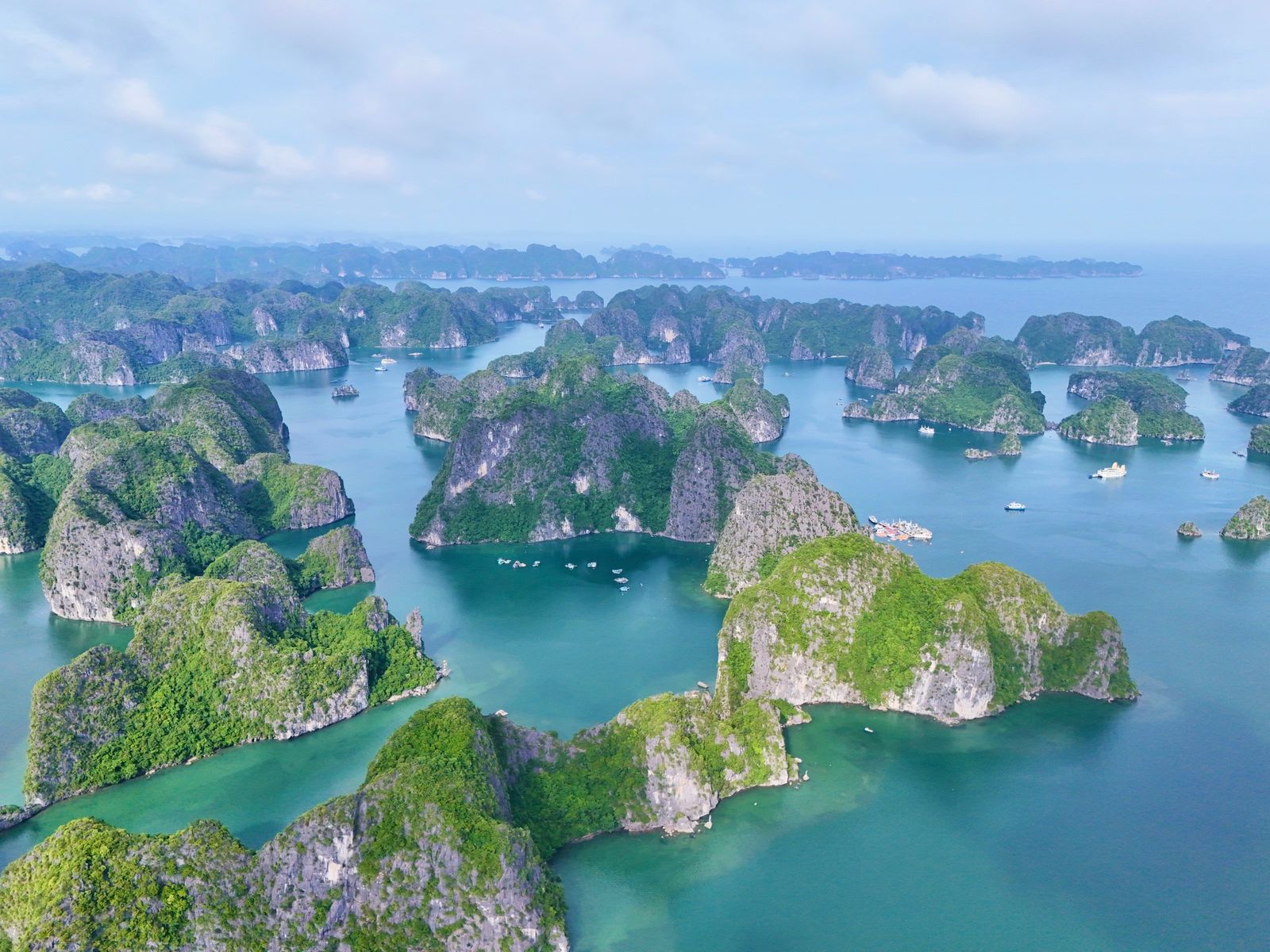
7 days: one or two regions, such as Hanoi, Ninh Binh and Ha Long Bay.
10 days: three regions at a relaxed pace, flying between them. See our 10 days in Vietnam itinerary.
14 days or more: the north, the centre and the south, plus a beach or the mountains.
Step 3: Pick your regions and your pace
Start with what you love most, rather than a list of places:
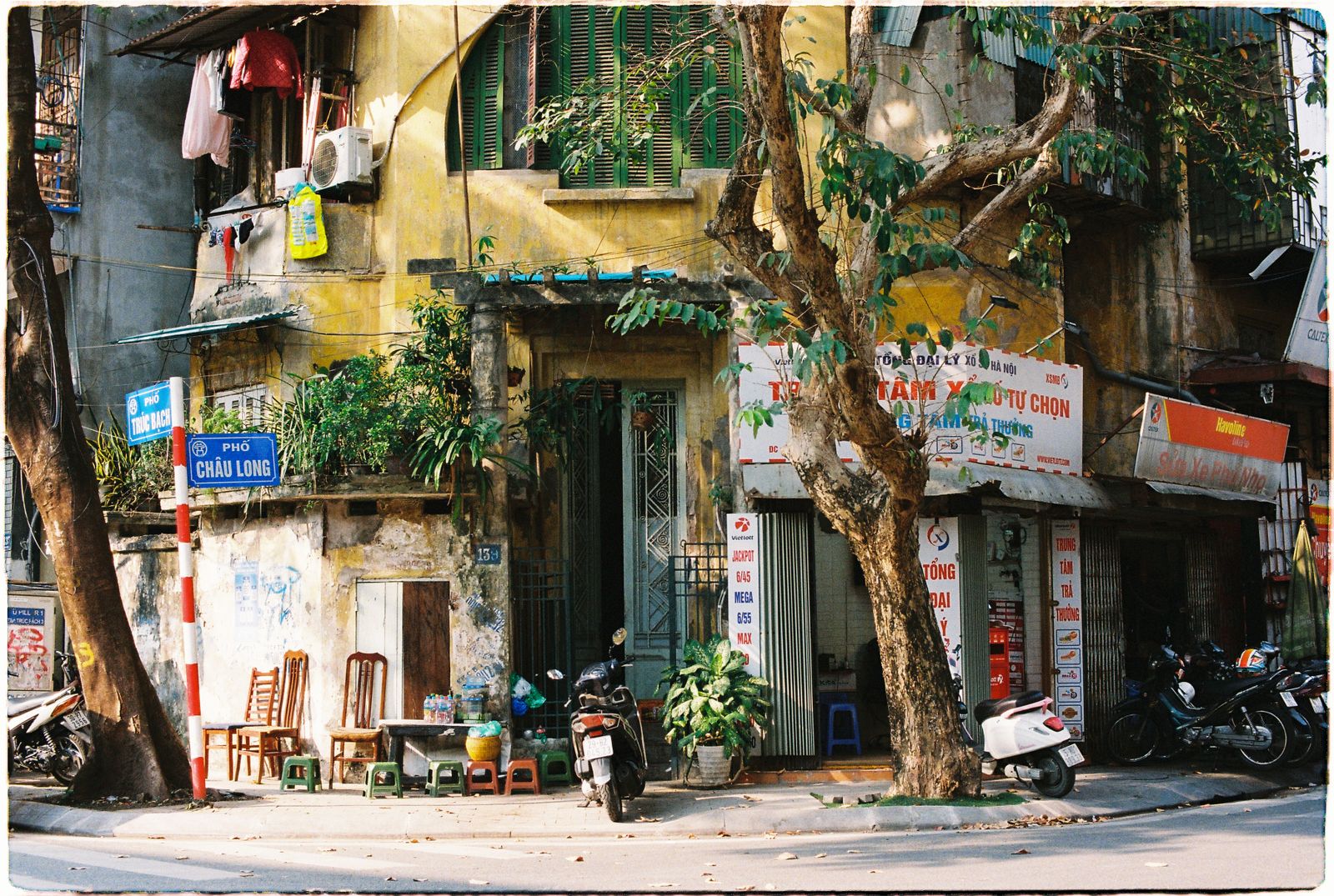
History and food: Hanoi, Ninh Binh, Hue and Hoi An.
Landscapes: Ha Long Bay, Ninh Binh and Sapa.
Beaches and islands: Phu Quoc and the south-central coast.
Cool air and coffee: Da Lat.
Rivers and rural life: the Mekong Delta.
Then decide on your pace. We recommend one or two main experiences a day, with time to rest, which matters most in the heat.
Step 4: Check your visa
Most visitors need a visa for Vietnam, although citizens of some countries can visit visa-free for a limited time. Vietnam offers an e-visa to citizens of all countries and territories, valid for up to 90 days, with single or multiple entry. Apply through the official government portal (evisa.gov.vn) and allow plenty of time before your trip. Make sure your passport is valid for at least six months from your arrival date. Rules can change, so always check the official portal or your nearest Vietnamese embassy before you travel.
Step 5: Book international flights
Vietnam’s main international airports are Noi Bai (Hanoi), Tan Son Nhat (Ho Chi Minh City) and Da Nang. From Australia, there are direct flights from Sydney and Melbourne to Ho Chi Minh City and Hanoi. From Europe and the US, most journeys connect through a hub in Asia or the Middle East. Flying into one city and out of another, for example into Hanoi and out of Ho Chi Minh City, saves a long backtrack.
Step 6: Plan how to get around
Domestic flights connect Hanoi, Da Nang, Ho Chi Minh City, Da Lat, Phu Quoc and other cities in about one to two hours.
A private car and driver is the most comfortable way to cover shorter distances, such as Hanoi to Ninh Binh or Ha Long, or Da Nang to Hoi An and Hue.
Trains run along the coast and are scenic, though slower than flying.
Cruises and boats are part of the experience in Ha Long Bay, the Mekong Delta and Phu Quoc.
Step 7: Money, connectivity and health
Currency: the Vietnamese đồng (VND). Cards are widely accepted in hotels and restaurants in cities, but carry some cash for markets, small shops and tips.
Staying connected: a local SIM or an eSIM is easy to set up, and Wi-Fi is widely available.
Health: see your doctor or a travel clinic before you go for advice on vaccinations, and take out comprehensive travel insurance.
Getting around safely: crossing the street in Hanoi or Ho Chi Minh City takes practice. Walk slowly and steadily and let the motorbikes flow around you.
Step 8: Pack for more than one climate
Light, breathable clothes for the south and centre.
A warm layer for Hanoi in winter, Sapa and Da Lat.
Modest clothing that covers shoulders and knees for temples.
Comfortable walking shoes, a compact umbrella, sun protection and insect repellent.
Private tour or independent travel?
Travelling independently in Vietnam is very doable. A private, tailor-made journey adds:
Time: someone else handles transfers, tickets and timings.
Access: local guides who know the quieter hours, the best family-run kitchens and the stories behind each place.
Flexibility: if the weather changes a cruise or boat day, your plan changes with it.
Peace of mind: one point of contact throughout your trip.
At Sevenway, every journey is private and designed around your dates, pace and interests. Explore our signature journeys: The Hidden Kingdom, Da Lat & Amanoi, The Hidden Island and The Northern Highlands.
FAQ
How far in advance should I plan a trip to Vietnam?
Three to six months ahead is ideal, especially for peak periods such as Christmas, Tet and Easter, when the best hotels and cruises book up early.
Is Vietnam safe for travellers?
Vietnam is generally considered a safe and welcoming destination. Take the usual care with valuables, be careful in traffic, and check your government’s travel advice before you go.
Do I need to speak Vietnamese?
No. English is common in hotels and tourist areas, and a private guide helps everywhere else. A few words such as xin chào (hello) and cảm ơn (thank you) are always appreciated.
What is the best way to travel around Vietnam?
Fly between regions, and use a private car and driver for shorter journeys. It is the most comfortable way to see a lot without rushing.